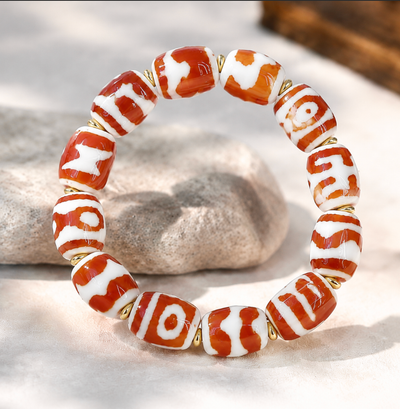
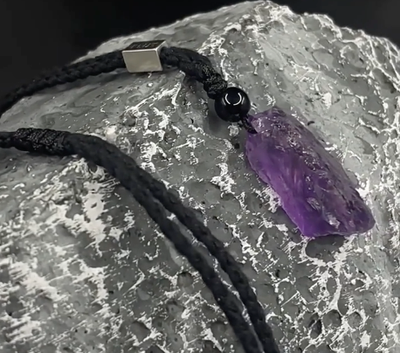
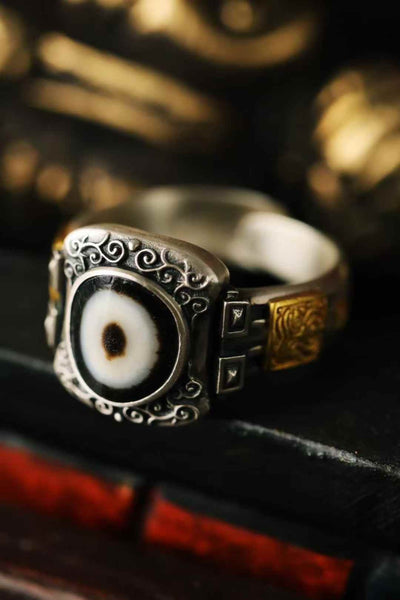
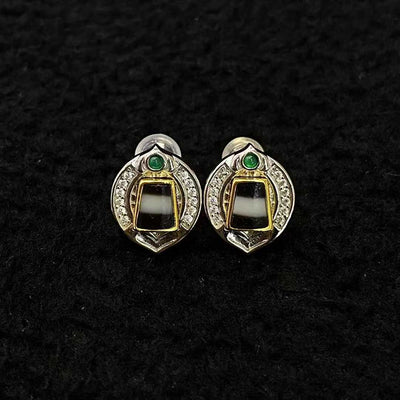
Prosperity jewelry in the Tibetan tradition is not about decoration. It is about removing what blocks a path and reinforcing what builds one. The Tibetan concept of "obstacle removal" — clearing the conditions that prevent good things from happening — is a more active framing than the passive "attract wealth" language common in generic crystal marketing, and it is worth understanding the difference before you choose a piece.
The stones and crystals associated with prosperity are chosen for their visual energy as much as their symbolic associations. They are warm, bright, and visually assertive. They are pieces meant to be worn when you are in motion, not when you are resting.
Citrine: Clarity and Abundance
Citrine is the primary crystal for prosperity. Its warm yellow-amber color has been consistently linked to abundance, financial clarity, and the confidence that enables action. In crystal practice, it is sometimes called the "merchant's stone" — an old label that points to its sustained association with commerce and material success.
Citrine suits people who are actively building something: a business, a career, a new phase of life. It is not a passive piece. The visual energy of a citrine bracelet on the wrist is a persistent reminder of forward motion, and that reminder tends to be most useful when the forward motion is already underway.

Pixiu and Citrine: Symbolic Reinforcement
In Chinese cultural tradition, the Pixiu — a mythological creature said to consume wealth but never release it — is one of the most recognized symbols of financial protection and accumulation. Pixiu pendants or charms combined with citrine create a piece that layers symbolic and material associations: the crystal's energy with the symbol's specific cultural meaning.
This combination is particularly legible as a gift for someone who operates in business contexts and understands the cultural reference. As a personal piece, it works best for people who engage consciously with the intentions behind what they wear.