For twelve years, Tsering watched.
He came to a silversmith's shop in Nagchu at 15 — running errands, keeping tools clean, learning by looking. In the tradition he trained under, you don't touch the material until the master decides you're ready. He waited until he was 27.

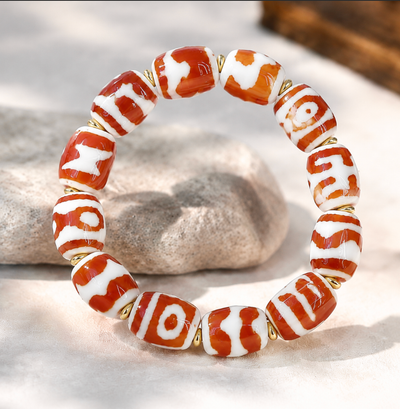
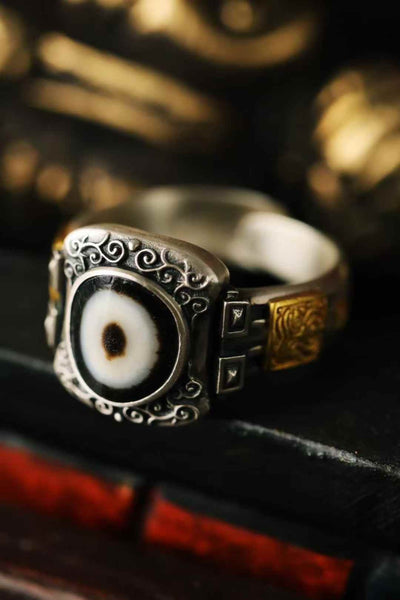
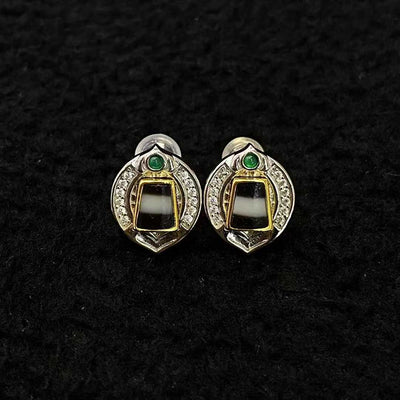
That was 36 years ago. Since then he's been making bracelets and earrings: everyday pieces, meant to be worn, taken off, and worn again. Not ceremonial work. Not display pieces. His work goes on wrists, through ears, and out into the world.
Ask him what changed between watching at 15 and working at 27, and he doesn't mention his hands or technique. He talks about learning the material.
"When I was 15, my teacher told me silver has a temper. At 27, I finally understood what he meant. Now... now I feel like I'm not hammering silver. I'm asking it. Asking it to protect every person who takes it home."

Nagchu sits above 4,500 meters on the Tibetan plateau, better known for grasslands and nomadic culture than for craft. Tsering grew up watching silversmiths work and assumed from childhood that this was what he would do. There was no moment of decision he can point to.
In many Tibetan craft traditions, silver is associated with clarity and protection from ill fortune. Tsering holds this seriously. He checks every finished piece before it leaves his hands — not as quality control in any factory sense. More like a last conversation.

TibetanSerenity works with Tsering because his approach to the material matches how we think about what we sell: jewelry meant to be used, not stored. Pieces that come from someone who has spent 48 years in a working relationship with silver and still says he's learning its temper.