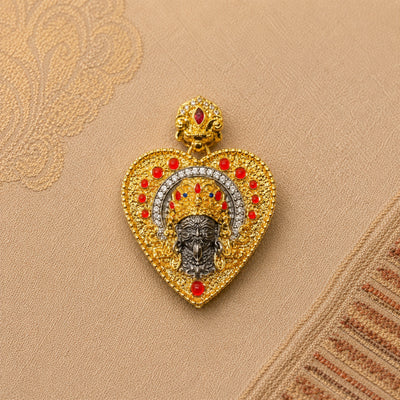
For a more symbolic expression of attraction, opportunity, and auspicious support, you can also explore the Charms & Amulets collection alongside the broader Prosperity path.
Part of: Prosperity · Career Success Series ← Click to return to Hub
I know two entrepreneurs who started in the same year, doing similar things.
Let's call the first one A.
A worked hard. Arrived at the office at eight every morning, didn't leave until eleven at night. He revised his business plan more than eighty times. Pitched to over forty investors. Traveled to seven different cities for roadshows. His WeChat signature read: "The harder I work, the luckier I get."
But two years later, his team was still just a few people. Funding still hadn't come through. His business was still spinning in place.
He told me: "I've met so many people. Not one of them was willing to give me a hand. Maybe I'm just unlucky."
Let's call the second one B.
B didn't seem to work as hard. He left the office at six every day. Rarely worked weekends. His social media even had photos of him fishing. People who knew him said he was pretty "relaxed."
But his company raised three rounds of funding last year.
Over drinks once, I asked him: "How do you always meet the right people?"
He thought for a moment, then said something I've never forgotten:
"You don't meet the right people. You recognize them."
The Right People Are Right There—Can You Recognize Them?
B told me a story.
When he was just starting out, he went to meet an investor. The investor barely spoke during the meeting. He just asked three questions:
"Why do you want to do this?"
"Why do you think you can make it work?"
"If someone offered you twice the money to do something else right now, would you take it?"
B said his heart was racing. He hadn't prepared for any of these questions. But he answered them honestly—stumbling over his words, but every word true.
At the end, the investor walked him to the door and said: "You're the fifth person I've seen today. The other four only wanted to tell me 'this project will make money.' You're the only one who showed me why you want to do it."
That investor later led his angel round.
B said: "You know what? Those three questions weren't a test. He was handing me an opportunity. But I had to first become someone who could understand what was really being asked, before I could catch it."
The right people don't stay away. They show up. The question is whether you recognize them when they do.
What Kind of Person Do the Right People “Recognize”?
In Tibet, there's a concept called "Wangthang"—not about whether you shine, but about whether others want to be near you.
I noticed a few things about B:
First, he's never in a hurry.
Every time we meet, no matter how important the topic, he never jumps straight to business. He always asks first: "How have you been?" "How's your family?" "What happened with that project you mentioned last time?"
It's not small talk. He actually remembers. Something you talked about months ago, he'll bring it up again. This "not being in a hurry" makes you feel like you're not just a task to be checked off his list. You're someone he actually wants to spend time with.
Second, he doesn't pretend.
Things he doesn't understand, he says "I don't understand that." Things he can't do, he says "I can't do that." Questions he doesn't want to answer, he says "I can't talk about that right now."
You never have to guess with him. His energy is transparent. And that transparency puts people at ease—who wants to deal with someone you always have to figure out?
Third, he catches what you throw.
A casual comment you make—he catches it. A mood you unintentionally reveal—he catches it. An idea you toss out—he catches it, turns it over in his mind, and gives you something back.
Talking to him, you feel heard.
What Kind of People Do the Right People Like?
I've thought about this.
The right people are human too. They have less time, more choices, and have seen more than most of us.
They don't need the "hardest working" people—there are too many of those.
They don't need the "smartest" people—there are too many of those too.
They don't even need the "most successful" people—successful people don't need them.
The people they want to be around are those who make them feel comfortable.
What does "comfortable" mean?
- You're not in a hurry, so I don't have to be either
- You don't pretend, so I don't have to guess
- You catch what I throw, so my words don't disappear into silence
At TibetanSerenity, we understand this as the essence of Wangthang: an energy field that makes others want to be near you.
You don't "train" this. You cultivate it—by letting go of the things that make others uncomfortable: rushing, pretending, not really listening. What's left is the version of you that people actually want to be around.
What Can a Piece of Jewelry Do?
B also carries something with him.
An old silver pendant, passed down from his grandfather. Nothing fancy. But he told me that before every important meeting, he touches it.
I asked: What does it give you?
He said: "A reminder."
A reminder of what?
"A reminder not to rush. A reminder not to pretend. A reminder to catch what the other person throws, instead of just thinking about what I want to say next. My grandfather had all these qualities. When I touch it, I remember."
A piece of jewelry can't make you "magnetic." But it can help you remember who you wanted to become.
Before meeting an investor, touch it, take a breath: don't rush.
When asked a question you'd rather avoid, touch it, pause three seconds before answering: don't pretend.
When someone says something, touch it, remind yourself: catch it.
It's not magic. It's a switch—helping you shift from "automatic reaction" mode to "I remember who I am" mode.
For Those Who Want to Meet the Right People
If you're:
- Meeting investors but can't seem to connect
- Networking but never moving beyond adding contacts on WeChat
- Communicating upward but your boss always seems impatient
- Just wondering: why do others get help, and I don't?
I want to tell you:
The right people aren't "met." They're recognized.
The right people aren't "chased." They're attracted.
They don't come to you because you work hard enough, or because you're smart enough, or because you're successful enough. They come because being with you feels comfortable.
And that "comfortable" quality? It can be cultivated.
Don't rush. Don't pretend. Catch what others throw.
Starting tomorrow, you can try. And maybe give yourself a reminder—something small you wear every day, something you can touch when you need to remember.
The right people will recognize you eventually.
🌿 Prosperity Series · For You
If you're looking for something to remind you of who you wanted to become, take a look at the TibetanSerenity Prosperity Collection.
Not to help you "attract" anyone. But to help you remember: you're already someone worth being near.
👉 Explore TibetanSerenity Prosperity Collection
You Might Also Like
- Removing Obstacles: Why "Bad Luck" Is the Real Wealth Killer ← Prosperity Sub-article A
- The Ballast Stone of Great Decision-Makers: Hearing Intuition in a Noisy World ← Prosperity Sub-article C
Return to Prosperity Hub · Read Pillar: The Sacred Protection of Tibetan Jewelry