The skeptical version of the question is reasonable: are healing crystals real? The honest answer is that the stones are real — amethyst is a real mineral, citrine is a real mineral — and the intentions people bring to wearing them are real. What the stones themselves do beyond being worn is something each person has to decide for themselves.
What is consistent across the people who wear healing crystal jewelry regularly is not a shared belief system. It is a shared practice: choosing a piece for a reason, wearing it with awareness of that reason, and finding that the act of doing so is useful. Whether the usefulness comes from the stone or from the intention is a question the jewelry cannot answer.
What Healing Crystals Are
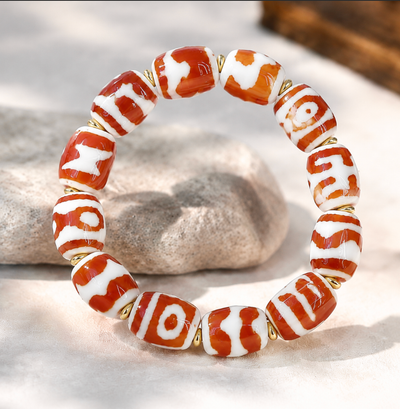
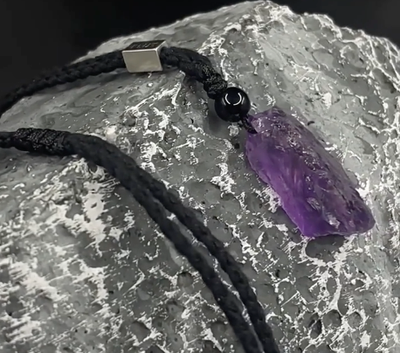
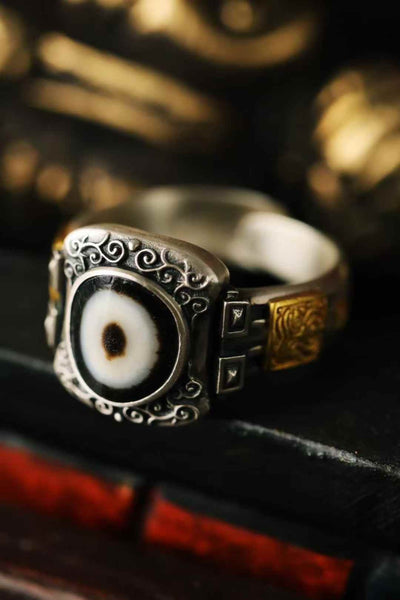
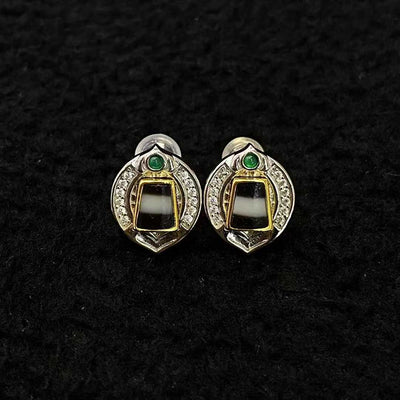
Healing crystals are natural minerals chosen for their associations with specific intentions or states of mind. In contemporary practice, they are most often worn as jewelry — bracelets, pendants, earrings — rather than carried loose or placed in a space, though both uses exist.
The two primary healing crystals in TibetanSerenity's line are amethyst and citrine. Amethyst — purple, translucent, cool-toned — is associated with calm, mental clarity, and sleep. Citrine — yellow to amber, warm-toned — is associated with abundance, confidence, and energy. These associations are consistent across crystal practice traditions and have been for a long time, which does not prove they are true but does suggest they are not arbitrary.
Why People Wear Crystal Jewelry Daily
The most practical reason: a physical object on your body functions as a persistent reminder. If you put on an amethyst bracelet because you want to be calmer today, every time you notice it on your wrist you are reminded of that intention. The stone is doing the work of a sticky note, except you cannot ignore it or lose it in a pile of papers.
This is not a mystical claim. It is a description of how physical objects interact with attention. Objects with meaning catch the eye differently than objects without it. A piece chosen deliberately tends to be noticed more than a piece chosen randomly, and being noticed means the intention it carries surfaces more often during a day.
The people who find crystal jewelry most useful are generally those who use it this way — as an anchor for an intention rather than as a passive talisman. The piece is a tool, and like any tool, it works better when you actually use it.
How to Choose Your First Crystal Piece
Start with the intention, not the material. Ask: what do I need more of right now? The two most common answers map directly to the two available crystals.
If the answer involves slowing down, sleeping better, reducing mental noise, or getting through a period that requires patience — amethyst is the clearer choice. If the answer involves moving forward, building confidence, starting something, or getting unstuck from inertia — citrine is the clearer choice.
If you genuinely cannot decide, choose based on which color you respond to more directly. Amethyst is purple. Citrine is yellow-amber. Your immediate visual response to each color is a reasonable tie-breaker.

Amethyst Meaning: Symbolism, Uses, and Best Jewelry Styles →
Citrine Meaning: Symbolism, Energy, and When to Wear It →