TibetanSerenity carries two distinct lines of stone and crystal jewelry, and they are not interchangeable. One draws from the Tibetan and Himalayan material tradition — turquoise, nanhong, agate, stones that have been worn in that region for centuries. The other is organized around intention: amethyst for calm, citrine for abundance, crystals chosen for what they are said to do rather than where they come from.
This guide explains what each line is, how they differ in character and use, and how to decide which one to explore — whether you are buying for yourself or looking for a gift that means something specific.
Tibetan Stones: Material First
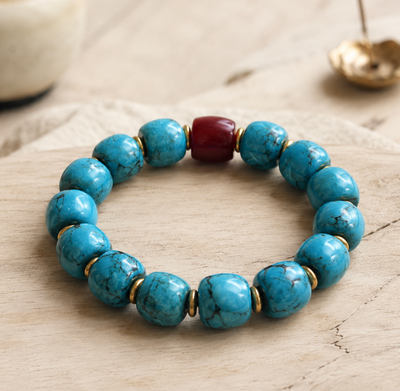
The Tibetan Stones line centers on three materials: turquoise, nanhong, and agate. What they share is a quality of visual weight — these are not delicate, pale, or translucent stones. They have depth of color, visible grain, and a surface texture that makes them look like they came out of the ground, which they did.
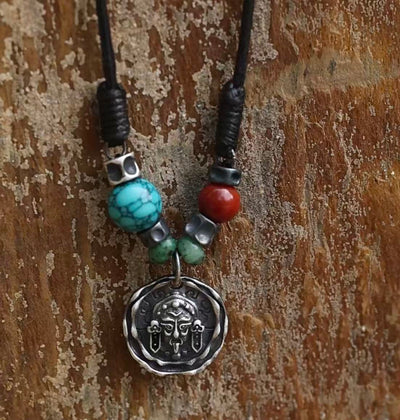
Turquoise is the most immediately recognizable. Its blue-green tone has been associated in many Tibetan contexts with protection and travel blessing, though the specific meanings vary by region and tradition. In jewelry terms, turquoise reads as grounded and strong — it does not need a lot around it to hold a piece together. A single turquoise bead against a dark cord, or inlaid into a silver setting, carries enough visual weight to anchor the whole piece.
Nanhong is the most unusual of the three — a deep, warm red agate found primarily in Yunnan province. It is not a common material in Western jewelry markets, which is partly why pieces featuring it have a distinctiveness that most crystal jewelry does not. Collectors prize nanhong for its color depth and relative rarity. As a jewelry material, it suits people who want something less expected.
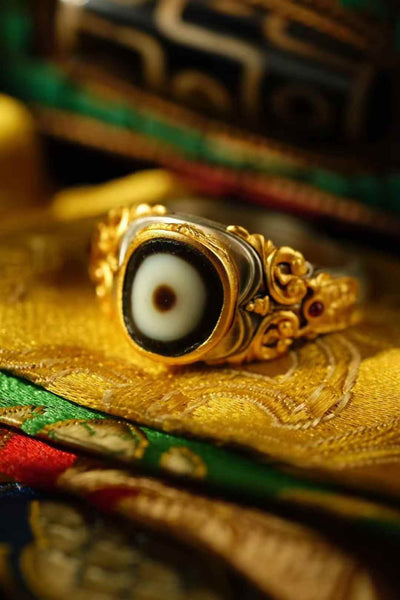
Agate is the most approachable of the three. The banded patterns and range of tones — from warm amber to grey-brown to near-black — mean it pairs easily with other materials and works across a range of aesthetics. It is often the right choice for someone buying their first Tibetan stone piece.

Healing Crystals: Intention First
The Healing Crystals line is organized differently. The stones here — amethyst and citrine — are chosen primarily for their associations with specific intentions: calm and clarity for amethyst, abundance and confidence for citrine. You are not choosing by material origin or cultural tradition; you are choosing by what you want the piece to mean to you while you wear it.
Amethyst is purple, translucent, and consistently associated in contemporary crystal practice with calm, mental clarity, and sleep. In jewelry, it is versatile — works in bracelets, pendants, and earrings, suits silver settings well, and layers easily without dominating a stack. People with an active mindfulness or meditation practice tend to reach for amethyst first.
Citrine is yellow to amber, warmer in tone, and consistently linked with prosperity, energy, and optimism. Where amethyst is quiet, citrine is bright. It suits people who want their jewelry to feel active rather than contemplative — something that registers as an assertion rather than a reminder.

How to Decide Between the Two
The clearest split is this: if the material itself draws you — its color, its origin, its grain — start with Tibetan Stones. If you know what you want the piece to do for you while you wear it, start with Healing Crystals.
Someone who picks up a piece of turquoise and responds to its color before thinking about what it means is a Tibetan Stones person. Someone who starts by asking "what is good for anxiety?" or "what crystal helps with focus?" is a Healing Crystals person. Neither approach is better. They start from different places.
There is also a practical gift-buying split. Tibetan Stones pieces tend to work well as gifts when you know the recipient's aesthetic — they have a visual specificity that lands when it is right and feels arbitrary when it is not. Healing Crystals pieces are often more reliable for gift-giving when you know the recipient's state of mind rather than their style — an amethyst piece for someone going through a stressful period, a citrine piece for someone starting something new.
Choosing by Intention
If you are approaching this by what you want the jewelry to represent — protection, prosperity, calm, or connection — both lines have relevant pieces, and the choice of stone or crystal often follows directly from the intention.
For protection, turquoise is the most direct match within the Tibetan tradition. For prosperity and abundance, citrine is the clearest option among the crystals. For calm and mental quiet, amethyst. For warmth and connection — including gifts for people you care about — nanhong and softer-toned stones tend to suit better than the brighter crystals.
We have a full set of guides on this, organized by intention rather than material.
Best Stones and Crystals for Protection →
Best Stones and Crystals for Prosperity and Confidence →
Best Stones and Crystals for Love and Connection →
Best Stones and Crystals for Calm, Grounding, and Everyday Balance →
What Stones and Crystals Look Like Together
Tibetan stone jewelry and healing crystal jewelry layer well when the tones are close. Turquoise and amethyst sit together quietly — both are cool in tone, neither competes. Citrine and agate, both in warm amber ranges, stack naturally. The combination that requires more care is turquoise and citrine: the cool blue-green and warm yellow are complementary as colors, but the visual energy of citrine can overpower a more subtle turquoise piece. Lead with the turquoise if you are mixing the two.

Tibetan Stones — turquoise, nanhong, and agate — are organized around material and cultural origin. The emphasis is on where the stone comes from and what it looks like. Healing Crystals — amethyst and citrine — are organized around intention. The emphasis is on what the piece is worn for. Both categories contain natural stones; the difference is in how you approach the choice.
Yes. The main thing to watch is tone. Cool-toned stones — turquoise, amethyst — layer naturally together. Warm-toned pieces — citrine, amber agate, nanhong — also group well. Mixing warm and cool tones requires more care: use one as the dominant piece and let the other support it.
Tibetan Stones pieces are better gifts when you know the recipient's aesthetic preferences well. Healing Crystals pieces are more reliable when you know what they are going through — amethyst for stress and sleeplessness, citrine for new beginnings and confidence. If you are not sure about either, an agate piece is a safe starting point: the material is versatile, and the visual range is wide enough to suit most tastes.