Quick Answer
Tibetan silver is silver-toned jewelry made in the Tibetan craft tradition — characterized by oxidized finishes, hand-hammered textures, and Buddhist symbolic engravings. It is not a purity standard like sterling silver (92.5% pure); traditional pieces often use silver alloys or white metal. The defining quality is craftsmanship and symbolism, not metal content. Traditional pieces typically use silver alloys ranging from 30–90% silver content, often combined with copper or zinc — unlike sterling silver's fixed 92.5% standard.
Not all silver is the same.
There is the kind that is polished to a mirror finish, bright and uniform, made to catch the eye from across a room. And then there is Tibetan silver — matte, aged, slightly rough at the edges, as if it has already lived a life before you put it on.
This difference is not a flaw. It is the point.
Tibetan silver jewelry is made to be worn, not displayed. Its aged texture deepens with time. Its symbols carry meaning that does not fade. It is jewelry for people who are less interested in flash and more interested in weight — not the physical weight of the metal, but the weight of intention behind it.
This guide covers what Tibetan silver is, why it looks the way it does, what its symbols mean, and how to choose the right piece.
Tibetan Silver vs. Sterling Silver: Key Differences
| Tibetan Silver | Sterling Silver | |
|---|---|---|
| Silver content | 30–90% (varies by piece) | 92.5% (fixed standard) |
| Definition | Craft tradition, not a purity mark | Legal purity standard |
| Finish | Oxidized, antiqued, hand-hammered | Polished or brushed |
| Symbolism | Buddhist motifs, mantras, protective symbols | None inherent |
| Tarnish | Intentional patina is part of the aesthetic | Tarnishes over time, typically polished off |
| Hallmark | No standardized hallmark | .925 stamp required |
What Is Tibetan Silver?
Tibetan silver refers to silver-toned jewelry made in the Tibetan craft tradition, typically featuring oxidized or darkened finishes, hand-hammered textures, and symbolic engravings or inlays. It is not always pure sterling silver — traditional Tibetan pieces often use silver alloys, sometimes incorporating white metal or oxidized copper — but the defining quality is not metallurgical purity. It is the aesthetic and the intention.
Where conventional fine jewelry pursues smoothness and shine, Tibetan silver pursues character. The surface is deliberately aged. Tool marks are left visible. Asymmetries in hand-hammered pieces are not corrected. The result is jewelry that looks like it was made by a person, not a machine — because it was.
This quality makes Tibetan silver unusual in the jewelry market. It does not compete on brightness or uniformity. It competes on depth.
→ What Is Tibetan Silver? A deeper look at finish, texture, and how it compares to sterling silver.
Tibetan Silver vs. Sterling Silver vs. Silver-Plated
| Tibetan Silver | Sterling Silver | Silver-Plated | |
|---|---|---|---|
| Metal content | Silver alloy or white metal | 92.5% pure silver | Base metal, thin silver coat |
| Finish | Oxidized, matte, hand-hammered | Bright, polished | Bright (fades with wear) |
| Over time | Deepens in character | Requires polishing | Plating wears off |
| Defining quality | Symbolism & craft intention | Precious metal purity | Affordable shine |
| Best for | Meaningful everyday wear | Fine jewelry occasions | Fashion, budget pieces |
The Symbols You Will Find
Tibetan silver jewelry is rarely plain. Most pieces carry symbols drawn from Tibetan Buddhist iconography — not as decoration, but as meaning compressed into form.
Here are the most common symbols and what they represent:
The Endless Knot (Shrivatsa)
One of the Eight Auspicious Symbols of Tibetan Buddhism. Its interlocking loops have no beginning and no end, representing the interconnectedness of all things and the continuity of cause and effect. It is often worn as a reminder of connection — to others, to one’s own path, to something larger than the self.
The Lotus
The lotus grows in muddy water and rises to bloom above the surface. In Tibetan tradition, it represents purity of mind emerging from difficulty — the capacity to grow and open regardless of circumstances. A lotus pendant is often chosen during periods of change or recovery.
The Dorje (Vajra)
A ritual object symbolizing indestructible strength and clarity of mind. As jewelry, the Dorje is often worn by those who want to carry a sense of stability and unshakeable purpose into their daily life.
The Om Symbol
The primordial sound of the universe in Hindu and Buddhist traditions. On jewelry, it functions as a continuous reminder of awareness — the vibration beneath ordinary experience. It is one of the most widely worn spiritual symbols in the world, chosen across traditions for its quiet universality.
Protective Faces and Amulets
Many Tibetan silver pieces feature carved or cast faces — guardian figures, protective deities, or stylized mask motifs. These are worn as shields against difficulty, with the understanding that intention set in metal can travel with you through the day.
→ Full symbol guide: meaning, gifting scenarios, and how to choose the right one.
The Right Piece for the Right Person
Tibetan silver works as everyday jewelry for most people, but it particularly suits those who:
- Prefer aged or matte finishes over bright shine
- Are drawn to objects with symbolic or cultural depth
- Want jewelry that develops character over time rather than requiring maintenance to stay pristine
- Dress in ways where an understated, grounded piece adds meaning without disrupting the overall look
In terms of specific forms:
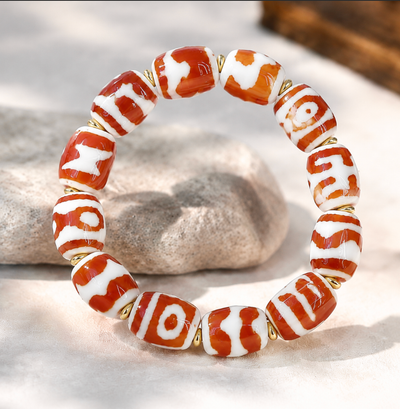
Bracelets and cuffs are the most versatile Tibetan silver pieces — they sit at the wrist where they are visible to the wearer throughout the day, functioning as a constant tactile and visual reminder of whatever meaning the piece carries.
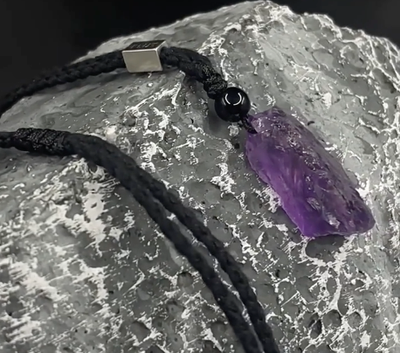
Pendants and necklaces work well as single-focus pieces. When a pendant carries a symbol that matters to the wearer, it becomes something they reach for on days when that meaning is needed.
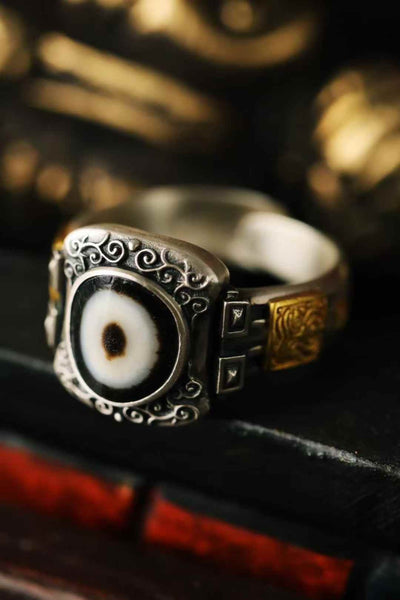
Rings in the Tibetan silver tradition tend toward wider bands with engraved or stamped surfaces — less delicate than fine jewelry rings, more presence on the hand.
How to Choose
When choosing a Tibetan silver piece, the most useful question is not “which one looks best” but “which symbol stays with me.”
Browse slowly. Read the symbols. Notice which one you return to. The right piece is usually the one that feels like it was already yours before you found it.
If you are choosing for someone else, consider what they are moving through. A person navigating a difficult transition may find comfort in the lotus. Someone who wants to feel more grounded might respond to the Dorje. Someone seeking connection might wear the Endless Knot.
Tibetan silver does not need to be treated preciously. Wear it. Let it age. The patina that develops over time is not damage — it is evidence of a life lived with the piece.
→ Buying as a gift? See our guide: The Best Tibetan Silver Gifts for Someone Who Meditates or Practices Mindfulness.
Our silver pieces are made by Tsering, a silversmith from Nagqu who has worked metal since he was fifteen. A Portrait of Tsering →
In this series: What Is Tibetan Silver? · Symbol Guide · Styling Guide · Gift Guide
Related reading: Sacred Wood Jewelry · Hand-Woven Jewelry
Or explore the full Tibetan Craft collection: Tibetan Craft: The Complete Guide
Frequently Asked Questions
Does Tibetan silver tarnish, and does that ruin the piece?
Is Tibetan silver the same as sterling silver?
Do I need to believe in Buddhism for the symbols to mean something?
How do I know which symbol is right for me?
What is Tibetan silver made of?
Want to mix Tibetan silver with sacred wood or woven pieces? Read: Silver, Wood, and Weaving: How to Layer Tibetan Craft for Everyday Wear →